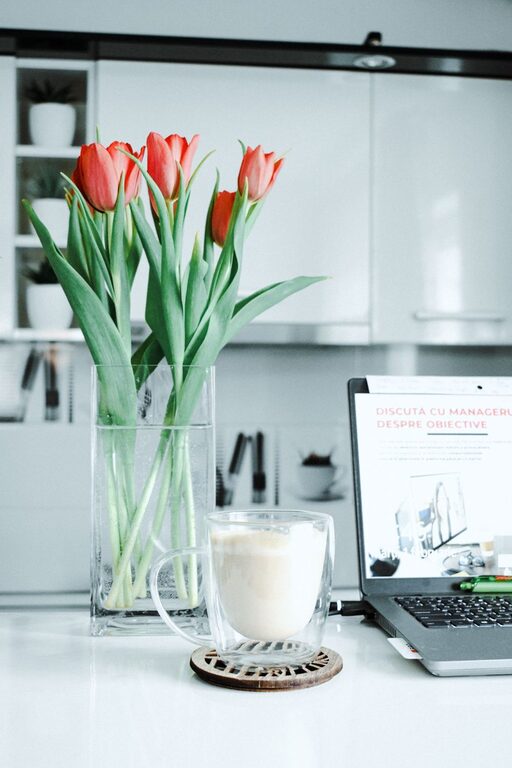
Creating a relaxing home workspace is essential for maintaining focus, reducing stress, and boosting productivity. With many of us spending more time working from home, having an environment that encourages comfort and efficiency can make a significant difference in how much we accomplish and how we feel throughout the day. In this post, we’ll explore practical tips for designing a home workspace that promotes both relaxation and productivity.
Why a Relaxing Workspace Matters
When your workspace is cluttered, uncomfortable, or stressful, it can be challenging to stay motivated and concentrate on tasks. On the other hand, a thoughtfully designed area that feels calm and inviting can help you approach work with a clear mind and energy. A relaxing workspace also supports mental well-being by reducing feelings of overwhelm or burnout.
Choose the Right Location
Find a Quiet Spot
Select a location in your home where distractions are minimal. This might be a spare room, a corner in your bedroom, or even a quiet nook in the living area. The quieter the space, the easier it is to focus.
Consider Natural Light
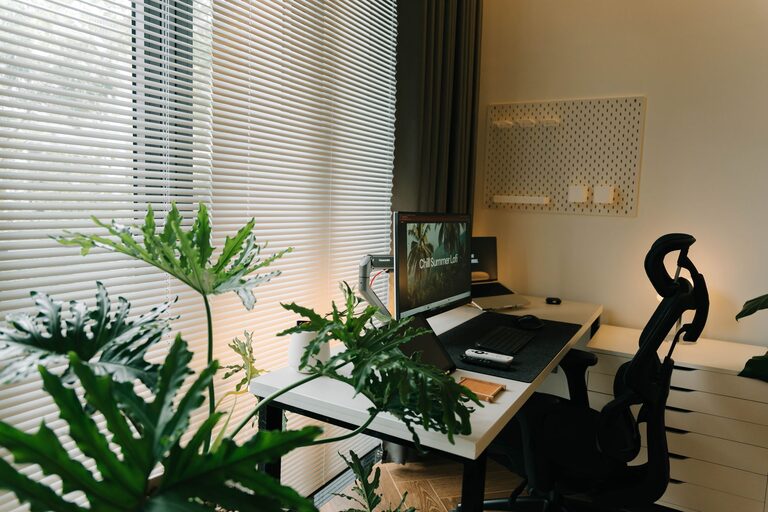
Natural light not only brightens the space but also positively impacts mood and energy. Position your desk near a window if possible, but avoid glare on your computer screen by using curtains or blinds.
Invest in Comfortable Furniture
Ergonomic Chair and Desk
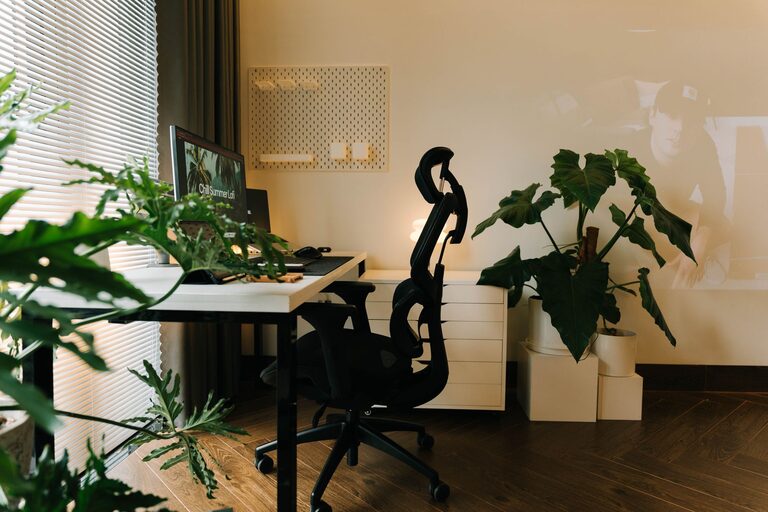
Comfort plays a huge role in your ability to work for extended periods. Choose an ergonomic chair that supports your posture and a desk at a comfortable height. This helps prevent physical discomfort and fatigue.
Personalize Your Chair and Desk Setup
Use cushions or footrests if needed, and arrange your monitor, keyboard, and mouse for easy access. Your workspace should minimize strain and encourage a natural posture.
Declutter and Organize
Keep Only Essentials Within Reach
Limit the items on your desk to what you need daily. Having too many objects can cause distraction and visual clutter.
Use Storage Solutions
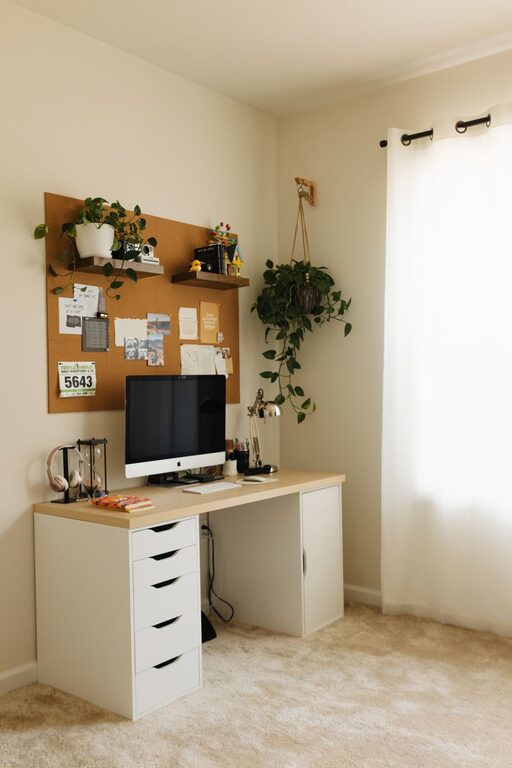
Shelves, drawers, and organizers help keep your supplies neat and accessible. Labeling containers can make it easier to find what you need quickly.
Incorporate Soothing Elements
Choose Calming Colors
Colors like soft blues, greens, or neutral tones can create a peaceful atmosphere. Paint or decorate your workspace with colors that relax you.
Add Plants
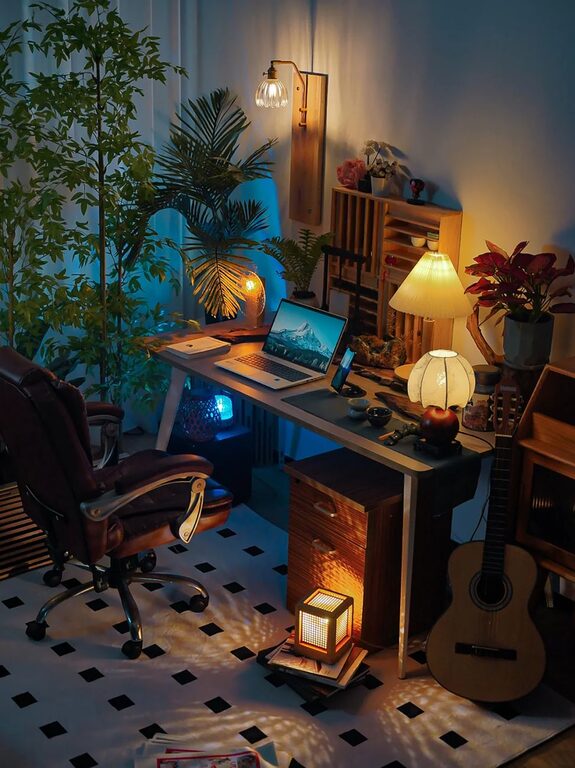
Plants improve air quality and bring a touch of nature indoors, which many people find calming. Choose low-maintenance plants such as succulents or snake plants.
Use Gentle Lighting
In addition to natural light, use lamps with warm light bulbs to reduce harshness. Adjustable lighting allows you to set the brightness according to your task.
Minimize Noise Distractions
Use Noise-Canceling Headphones
If you cannot control noise in your environment, headphones can help you focus.
Play Background Music or White Noise
Some people find soft music or white noise helpful for concentration. Experiment to see what works best for you.
Establish Boundaries and Routines
Set Specific Work Hours
Define when your workday starts and ends to create separation between work and personal life.
Communicate Your Workspace Needs
If you share your space with others, explain your need for quiet and focus during work hours.
Take Breaks and Stretch
Even in a relaxing workspace, it’s important to stand up, stretch, or move around regularly. This refreshes your mind and reduces physical fatigue.
Personal Touches for Motivation
Display Inspiring Quotes or Photos
Visual reminders of your goals and values can lift your mood and keep you motivated.
Keep a Journal or Planner Handy
Writing down tasks and ideas helps organize your day and reduces stress.
Maintain Your Workspace
Take a few minutes each day to tidy your area. A clean environment helps preserve the relaxing atmosphere you’ve created.
—
By following these tips, you can create a home workspace that not only feels relaxing but also supports your productivity. Remember that your workspace should serve your unique needs and preferences. Keep experimenting until you find the perfect balance between comfort and efficiency. With a calming and organized environment, working from home can become a more enjoyable and fulfilling experience.
About the Author