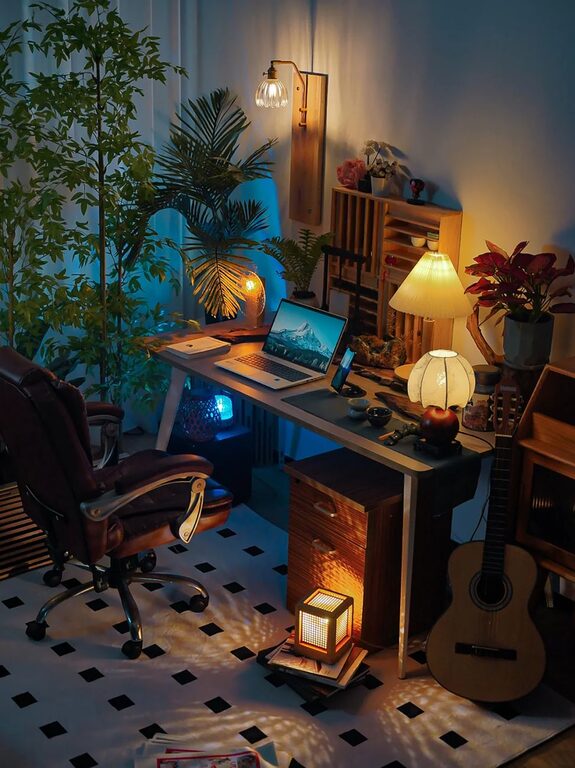
Creating a cozy and inviting home office space can make a big difference in your work routine. Whether you’re working remotely, freelancing, or managing home projects, a comfortable and well-organized environment helps maintain focus and reduce stress. Here are some helpful tips to design a home office that feels warm, welcoming, and productive.
1. Choose the Right Location
Pick a Quiet Spot
Select a space in your home that is away from heavy foot traffic and noise. This will help you concentrate better and avoid distractions. If possible, choose a room with a door to separate your work area from the rest of the house.
Consider Natural Light
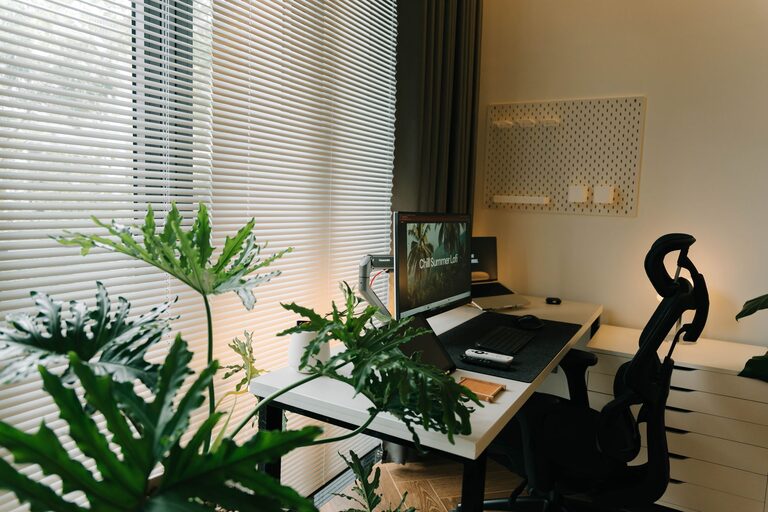
Natural light is one of the best mood boosters and can reduce eye strain. Position your desk near a window if possible, but avoid glare on your computer screen. If natural light isn’t an option, use bright, soft lighting that mimics daylight.
2. Invest in Comfortable Furniture
Ergonomic Chair
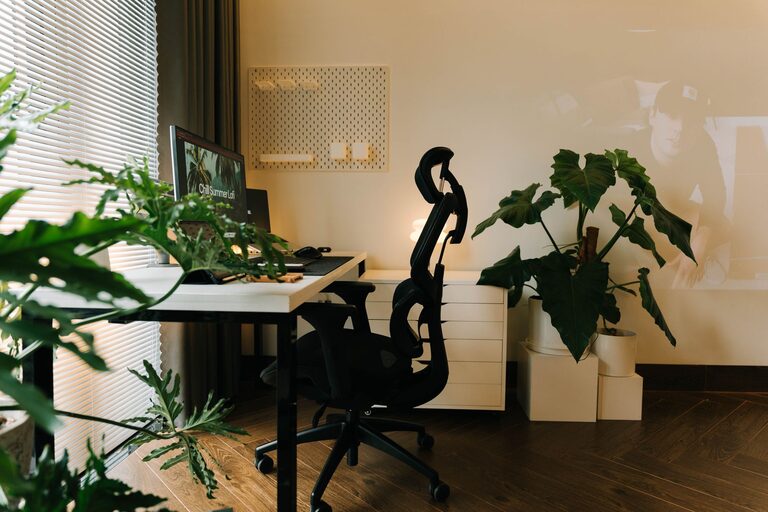
An ergonomic chair supports your back and encourages good posture. Investing in one can prevent discomfort and fatigue during long hours of work.
Desk Size and Height
Choose a desk that fits your space but also provides enough surface area for your computer, papers, and other work materials. The desk should be at a comfortable height relative to your chair.
Add a Footrest
If your feet don’t touch the floor comfortably while seated, try adding a footrest. This small addition can improve circulation and overall comfort.
3. Personalize Your Space
Use Soothing Colors
Colors affect mood and productivity. Soft shades like blues, greens, or neutrals promote calmness, while pops of brighter colors like yellow or coral can energize you.
Add Meaningful Decor
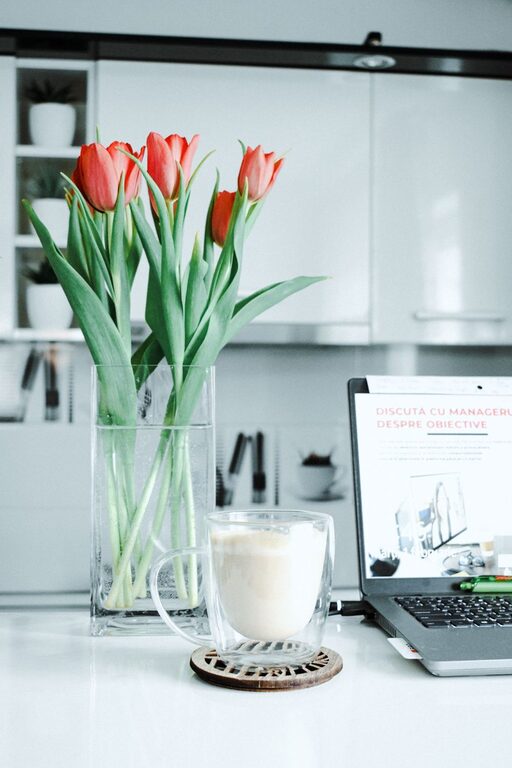
Incorporate artwork, plants, or meaningful objects that inspire you, but avoid clutter. A few personal touches can make the space feel inviting without being overwhelming.
Comfortable Textiles
Add a cozy throw blanket or a soft rug to warm up the area visually and physically. Textiles introduce texture and a sense of comfort to your office.
4. Organize Efficiently
Declutter Regularly
A tidy workspace reduces stress and distraction. Keep only your current work-related items on the desk and store everything else out of sight.
Use Storage Solutions
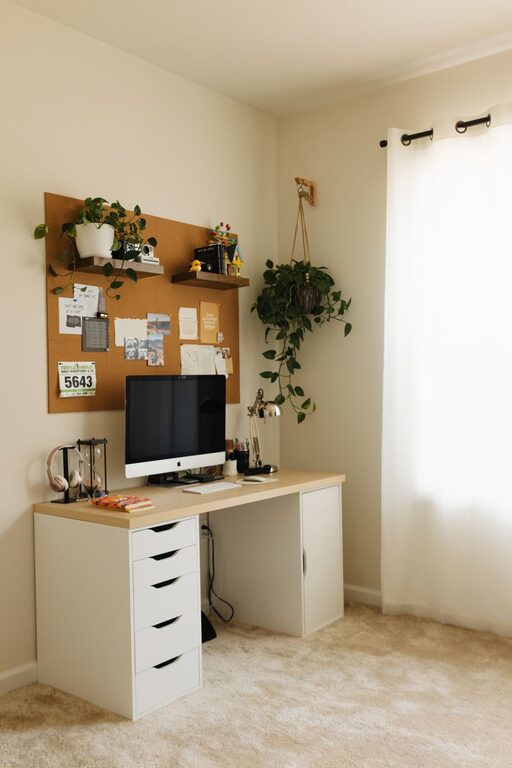
Use shelves, filing cabinets, or baskets to organize paperwork and supplies. Label containers for easy access and make sure frequently used items are within arm’s reach.
Cable Management
Messy cables can be distracting and hazardous. Use clips, sleeves, or a cable box to keep cords neat and out of sight.
5. Enhance Lighting
Layered Lighting
Combine ambient lighting (ceiling light) with task lighting (desk lamp) to create balanced illumination. A desk lamp with adjustable brightness focuses light where you need it most.
Avoid Harsh Lighting
Harsh overhead lighting can create discomfort or glare. Use soft white bulbs or diffusers to create a gentle atmosphere.
6. Incorporate Greenery
Plants add life and improve air quality in your workspace. Easy-to-care-for options like snake plants, pothos, or succulents are great choices and require minimal maintenance. Place them near your desk or on shelves for a refreshing touch.
7. Create Zones for Different Tasks
If your space allows, create different areas for various activities such as computer work, reading, or brainstorming. Even a small shift in location or furniture arrangement can help you transition between tasks more smoothly.
8. Maintain Good Air Quality
Good ventilation helps keep you alert and comfortable. Open windows regularly or use an air purifier to maintain fresh air. Avoid overcrowding your office with excessive materials, which can make the space feel stuffy.
9. Add Inspirational Elements
Include a vision board, motivational quotes, or a calendar with goals. These elements can encourage focus and remind you of your purpose throughout the day.
10. Keep Technology User-Friendly
Ensure your tech setup is efficient and clutter-free. Use wireless devices where possible, and arrange equipment ergonomically. Regularly update software and backup your work to avoid interruptions.
—
Final Thoughts
A cozy and inviting home office isn’t just about aesthetics—it’s about creating a space where you feel comfortable, motivated, and organized. By paying attention to furniture, lighting, and personal touches, you can design a workspace that supports your best work while making your day more enjoyable.
Remember, your home office should adapt to your needs, so don’t hesitate to make changes as your work habits evolve!
About the Author