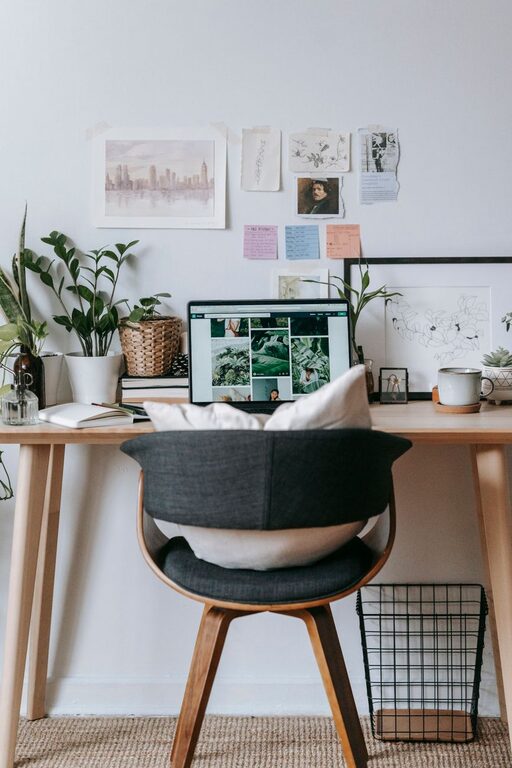
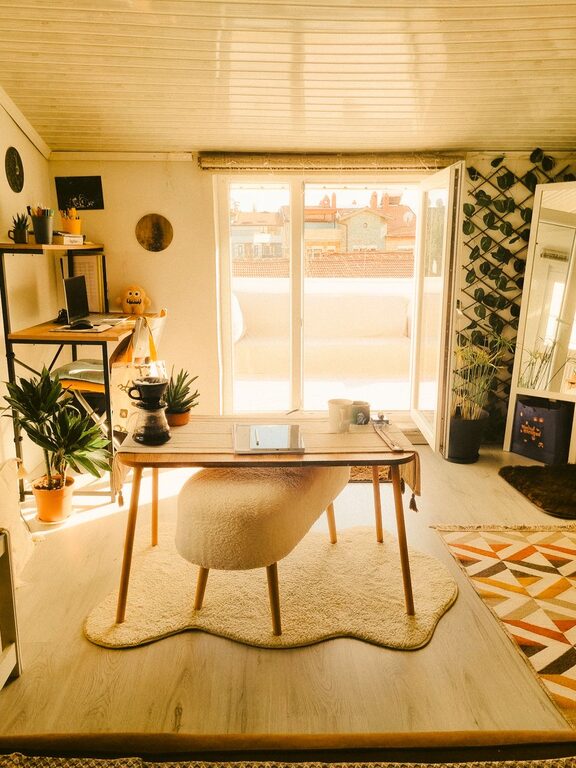
Working from home has become a common practice for many people, offering flexibility and convenience. However, one key factor for success is having a home office that feels comfortable and relaxing. A well-designed workspace can reduce stress, improve concentration, and make workdays more enjoyable. If you’re looking to transform your home office into a peaceful retreat, here are some useful tips to guide you.
Choose the Right Location
Selecting the best spot for your home office sets the foundation for a relaxing environment. Ideally, pick a quiet area that minimizes distractions. This might be a spare room, a corner of a bedroom, or even a section of your living room with some privacy. Make sure the space has good natural light and ventilation, as these elements help you feel refreshed and alert throughout the day.
Invest in Comfortable Furniture
A relaxing home office starts with comfort. Choose an ergonomic chair that supports your back and promotes good posture. Your desk should be the right height so that your arms rest comfortably while typing. Consider adding a footrest if your feet don’t touch the ground easily. Comfortable furniture reduces physical strain and keeps you focused longer.
Declutter and Organize
A cluttered desk can increase stress and hamper productivity. Keep your workspace tidy by organizing essential tools and supplies. Use storage boxes, shelves, or drawer dividers to separate work materials from personal items. Clear surfaces create a more open and airy feeling, which contributes to a soothing atmosphere.
Incorporate Calming Colors
Colors affect mood and energy levels. For a relaxing home office, consider using soft, neutral tones like light blues, greens, grays, or beige. These colors have a calming effect and promote relaxation. You can paint the walls or add accents like curtains, rugs, or artwork in these shades to enhance the ambiance.
Add Greenery and Natural Elements
Plants bring life and freshness to any space. Adding a few low-maintenance plants, such as succulents or pothos, can improve air quality and create a sense of calm. Natural elements like wooden furniture, stone planters, or even a small water fountain add texture and peace to your workspace.
Control Lighting Effectively
Good lighting is essential to reduce eye strain and maintain alertness. Maximize natural light whenever possible by positioning your desk near a window. For cloudy days or late work hours, use adjustable LED lamps that provide soft, warm light. Avoid harsh overhead fluorescents that can cause headaches or fatigue.
Minimize Noise Distractions
A quiet environment helps you concentrate better. Use noise-canceling headphones or play gentle background music to drown out distracting sounds. If noise is a persistent problem, consider soundproofing options like thick curtains, rugs, or wall panels to muffle outside noises.
Personalize Your Space Wisely
Personal touches can make your home office feel more inviting. Include items that inspire and motivate you, like photos, artwork, or quotes. However, avoid overcrowding the space with too many decorations to maintain a clean and peaceful vibe.
Manage Technology and Cords
Technology is essential for work, but cables and devices can cause chaos if not organized. Use cable organizers, clips, or sleeves to keep cords neat and out of the way. Position monitors at eye level to prevent neck strain, and regularly update your equipment to ensure a smooth workflow.
Set Boundaries for Work and Rest
Creating a relaxing home office also means establishing routines that separate work time and breaks. Use a dedicated workspace to help your brain associate the area with productivity. Schedule regular short breaks to stretch, relax, or step outside for fresh air, which helps sustain focus and reduces burnout.
Keep Air Fresh and Comfortable
A stuffy room can increase fatigue. Keep windows open periodically to let in fresh air. If this isn’t possible, consider an air purifier or small fan to circulate air within the room. Maintaining a comfortable temperature also helps you stay relaxed and attentive.
Incorporate Relaxation Tools
Adding simple relaxation tools can enhance calmness during work hours. Consider a small desk fountain, essential oil diffuser with soothing scents like lavender or eucalyptus, or stress-relief items like a stress ball or hand massager. These elements provide quick opportunities to unwind without leaving your workspace.
—
Creating a relaxing home office environment is about balancing functionality with comfort. By paying attention to location, furniture, organization, lighting, and personal touches, you can design a space that supports both your work and well-being. Small, thoughtful changes can make a big difference in how you feel throughout your workday. Try implementing these tips gradually and notice how your productivity and mood improve over time.