
Creating a productive home office environment is essential for anyone working remotely or running a business from home. A well-designed workspace can boost your focus, reduce distractions, and help maintain a healthy work-life balance. Whether you have a dedicated room or a small corner, these tips will guide you in setting up an efficient and comfortable home office.
Choose the Right Space
Pick a Quiet Spot
Finding a quiet area in your home is one of the first steps in creating a productive workspace. This could be a spare room, a section of your living room, or even a nook near a window. Choose a place with minimal foot traffic to avoid interruptions.
Consider Natural Light
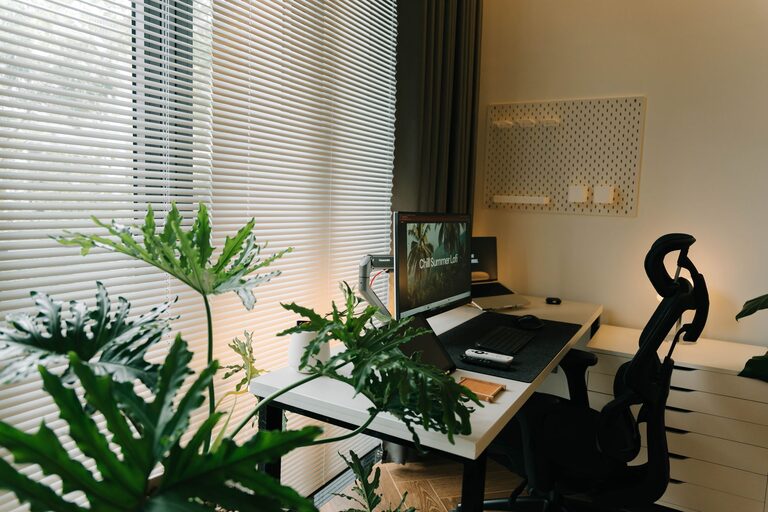
Natural light improves mood and energy levels. Position your desk near a window if possible. If natural light is limited, invest in good-quality lighting that mimics daylight to keep your space bright and welcoming.
Invest in Ergonomic Furniture
Ergonomic Chair
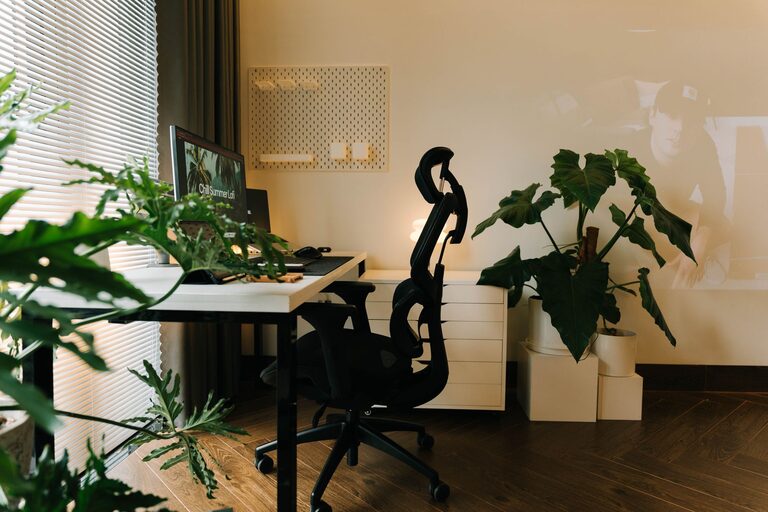
Sitting comfortably is crucial, especially if you spend many hours working. An ergonomic chair supports your back and neck, reducing the risk of strain and discomfort.
Adjustable Desk
Consider a desk that fits your height and allows for proper posture. Standing desks or adjustable sit-stand desks are popular options that promote movement and reduce fatigue.
Organize Your Workspace
Declutter Regularly
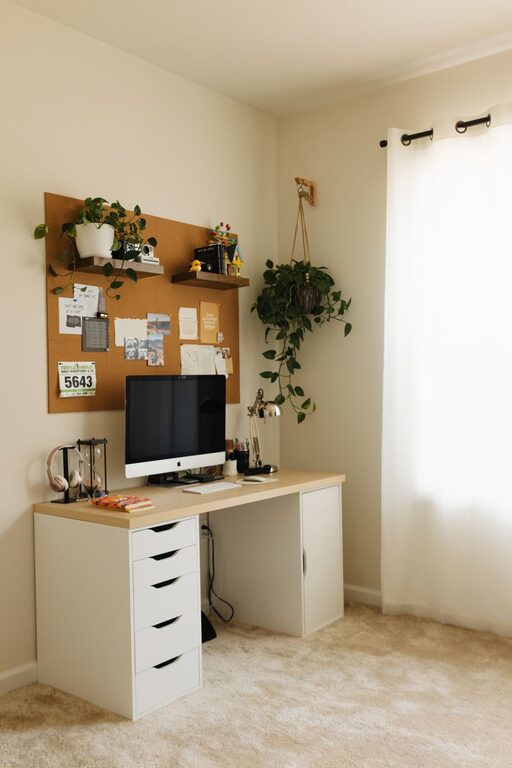
A tidy workspace reduces distractions and helps you focus better. Keep only essential items on your desk and store others in drawers or shelves.
Use Storage Solutions
Shelving units, filing cabinets, and organizers can keep your documents and supplies neat and accessible. Label storage containers for easy identification.
Minimize Distractions
Set Boundaries
If you live with others, communicate your work hours and ask for quiet during those times. Use headphones or white noise machines to block out background sounds if needed.
Manage Digital Distractions
Turn off non-essential notifications and use apps that limit access to distracting websites. Create a focused digital environment to maintain productivity.
Personalize Your Space
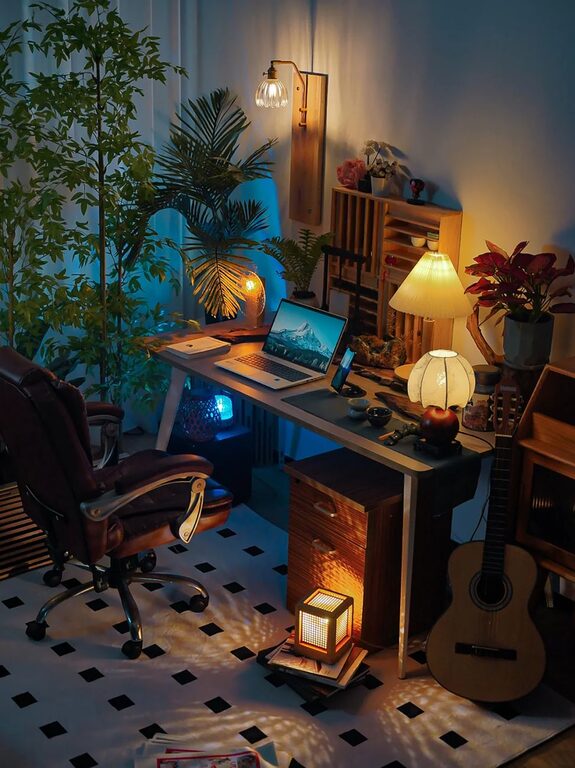
Add Greenery
Plants not only beautify your office but also improve air quality and reduce stress. Choose low-maintenance plants like succulents or snake plants.
Incorporate Inspiring Decor
Decorate with artwork, photos, or motivational quotes that encourage positivity and creativity without cluttering the space.
Establish a Routine
Set Regular Work Hours
Having consistent start and end times helps create a boundary between work and personal life. A routine enhances discipline and productivity.
Take Breaks
Schedule short breaks to stand, stretch, or move around. This prevents burnout and keeps your energy levels steady throughout the day.
Optimize Technology
Reliable Internet Connection
A fast and stable internet connection is vital for video calls, cloud computing, and accessing work documents smoothly.
Quality Equipment
Use a good computer, keyboard, mouse, and monitor suited to your work tasks. Consider dual monitors if your work involves multitasking.
Maintain Good Health Habits
Stay Hydrated and Eat Well
Keep a bottle of water nearby and snack on healthy foods to fuel your body and brain.
Practice Good Posture
Regularly check your sitting position, and adjust your chair and computer height to reduce strain on your neck, back, and wrists.
Final Thoughts
Creating a productive home office environment takes some planning but pays off in better focus, comfort, and job satisfaction. By selecting the right space, organizing thoughtfully, minimizing distractions, and maintaining healthy habits, you can build a workspace that supports your best work every day. Start small, make gradual improvements, and tailor your office to what works best for you.
About the Author