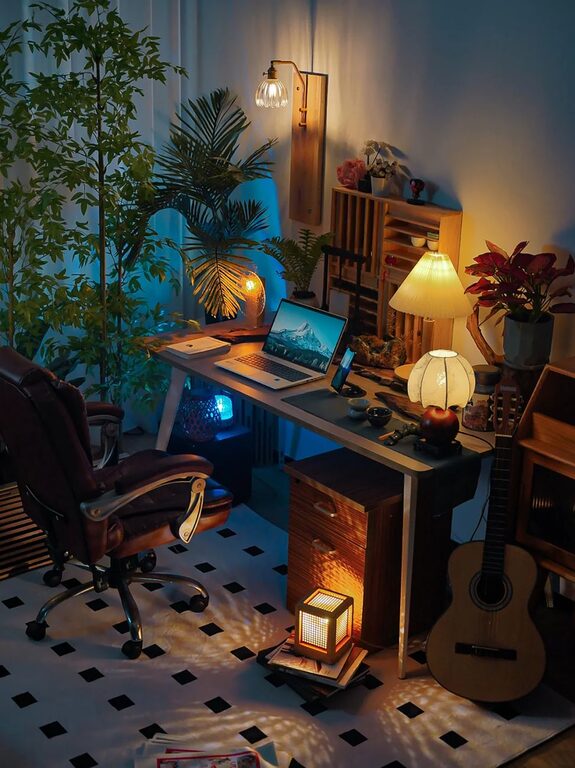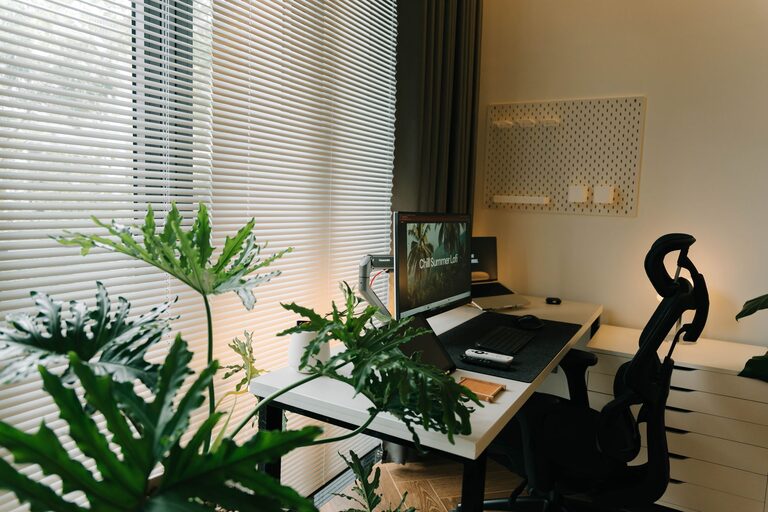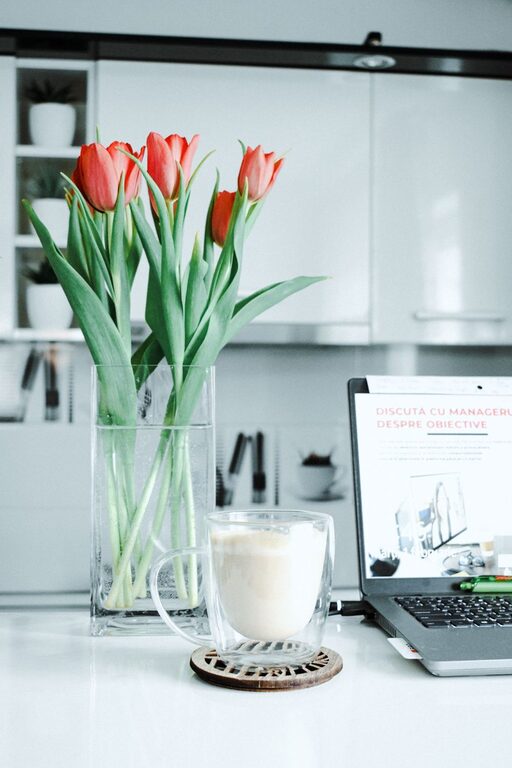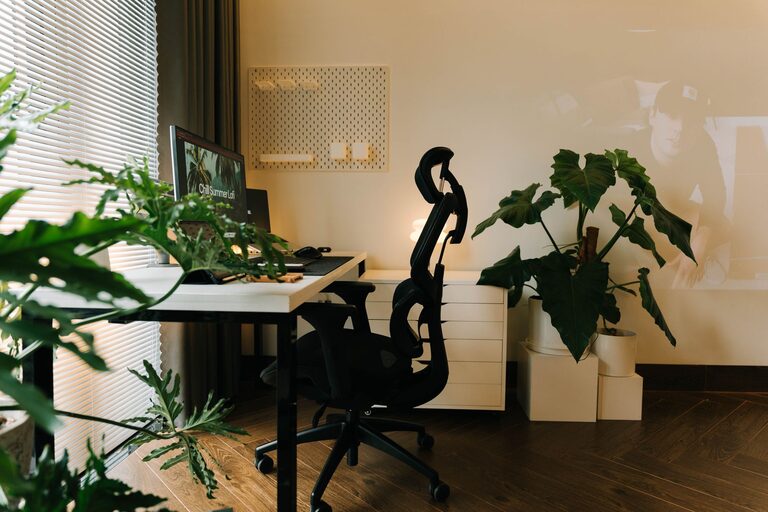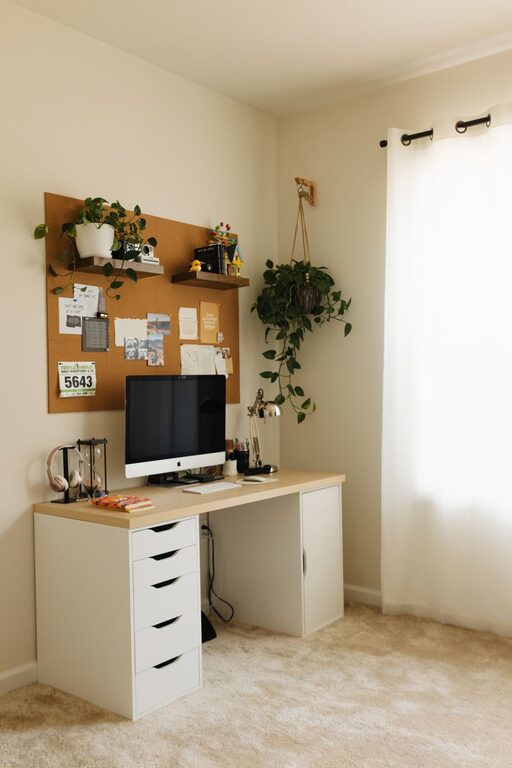

Creating a home office that is both cozy and productive can transform your work-at-home experience. Whether you’re freelancing, managing a remote team, or handling personal projects, a well-designed workspace helps you stay focused and comfortable throughout the day.
In this post, we’ll explore practical tips to set up a home office that supports your work style while making you feel relaxed and motivated.
Choose the Right Location
The first step in creating an effective home office is selecting the best spot in your home. Here are some factors to consider:
– Natural light: Pick a space near a window if possible. Sunlight improves mood and reduces eye strain.
– Quiet environment: A low-traffic or secluded area will help minimize distractions.
– Ventilation: Fresh air keeps the space comfortable and energizing.
– Space availability: Make sure you have enough room for a desk, chair, and storage solutions.
If space is limited, even a small nook or corner can work with the right setup.
Invest in Ergonomic Furniture
Comfort is key for long hours of work, so choosing the right furniture is essential.
– Ergonomic chair: Look for adjustable chairs that support your lower back and promote good posture.
– Desk height: Your desk should be at a comfortable height allowing your arms to rest naturally.
– Monitor placement: Position your computer screen at eye level to reduce neck strain.
– Footrest: Consider using a footrest to keep your feet supported if your chair doesn’t reach the floor properly.
Good furniture prevents discomfort and can increase your ability to focus.
Optimize Lighting
Proper lighting reduces eye strain and creates a welcoming atmosphere.
– Use natural light whenever possible: Position your desk to maximize daylight.
– Add task lighting: A desk lamp with adjustable brightness gives you control for detailed work.
– Avoid glare: Place your screen perpendicular to windows to prevent reflection.
Soft, warm lighting can enhance coziness without compromising functionality.
Personalize Your Space
Adding personal touches makes your office feel inviting, motivating you to sit down and work.
– Decorate with plants: Greenery can boost creativity and improve air quality.
– Choose calming colors: Soft blues, greens, or neutrals create a peaceful environment.
– Add artwork or photos: Visual elements that inspire you add personality.
– Use comfortable textiles: A cozy rug or cushions can soften the space.
These details make your workspace uniquely yours and help reduce stress.
Keep It Organized
Clutter can harm productivity and cause frustration. Here are strategies to maintain a tidy workspace:
– Use storage solutions: Shelves, filing cabinets, and desk organizers keep supplies in order.
– Limit what’s on your desk: Only keep daily essentials within reach.
– Develop a routine: Spend a few minutes at the end of each day tidying up.
– Manage cables: Use clips or sleeves to keep cords neat and untangled.
An organized office helps maintain focus and works efficiently.
Incorporate Technology Wisely
Technology can aid your workflow without overwhelming your space.
– Invest in quality equipment: Reliable computers, printers, and accessories reduce technical issues.
– Use wireless devices: Minimize cable clutter with wireless keyboards, mice, and headphones.
– Optimize connectivity: Ensure strong Wi-Fi or use an Ethernet cable for stable internet.
– Set up productivity tools: Apps for time management, note-taking, and communication support organization.
Balancing tech and simplicity enhances both comfort and efficiency.
Create Boundaries for Work and Life
When working from home, clear boundaries help maintain balance.
– Set scheduled work hours: Having consistent times for work and breaks prevents burnout.
– Use physical dividers: Screens or curtains can separate your office from living spaces.
– Communicate with household members: Let others know your schedule to minimize interruptions.
– Develop a start and end routine: Signals like turning on a specific lamp or shutting down your computer help transition between work and personal time.
Establishing boundaries makes your home office feel like a professional space while supporting well-being.
Add Comfort Features
Small comfort additions encourage you to spend more time happily working in your office.
– Temperature control: Use a fan, heater, or humidifier to maintain a pleasant environment.
– Hydration station: Keep a water bottle or small refillable jug nearby.
– Healthy snacks: Have a selection of light snacks within reach for quick energy boosts.
– Break space: If possible, include a cozy chair for resting or reading during breaks.
Comfort contributes to sustained focus and a positive workday.
Final Thoughts
Creating a cozy and productive home office doesn’t require a large budget or a dedicated room—thoughtful arrangement and attention to comfort and organization go a long way. By selecting the right location, investing in ergonomic furniture, optimizing lighting, and personalizing your space, you can build a work environment that supports your best efforts each day.
Take your time to adjust your setup until it fits your needs. A home office designed with care helps you stay motivated, comfortable, and productive—transforming how you work for the better.
About the Author