Creating a home office that is both comfortable and productive can significantly improve your work-from-home experience. Whether you are new to remote work or looking to upgrade your current setup, establishing an environment that promotes focus and well-being is essential. This blog post provides practical advice to help you design a space where you can work efficiently and comfortably.
Choose the Right Location
Selecting the best spot for your home office is the first step in building a productive workspace.
– Quiet and Low-Traffic Area: Try to find a space away from household noise and distractions like TVs or busy corridors.
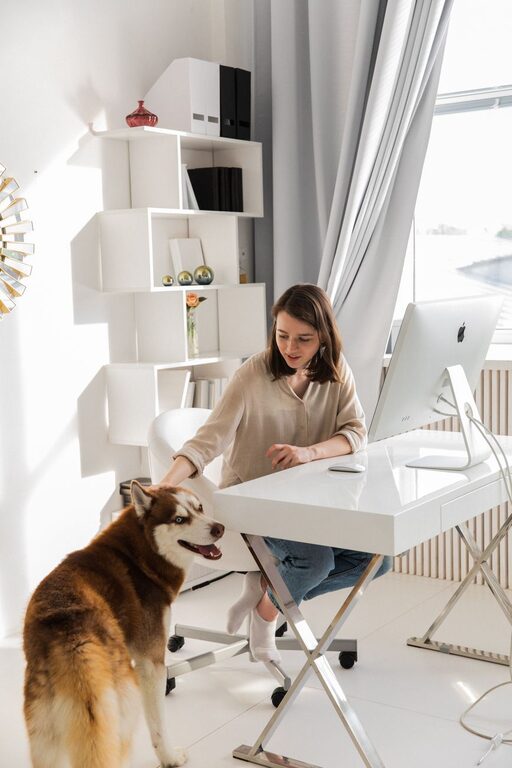
– Natural Light: Position your desk near a window to benefit from natural daylight, which can boost mood and reduce eye strain.
– Adequate Space: Ensure there is enough room for your equipment, supplies, and comfortable movement.
Invest in Ergonomic Furniture
Ergonomics plays a critical role in comfort and preventing strain during long workdays.
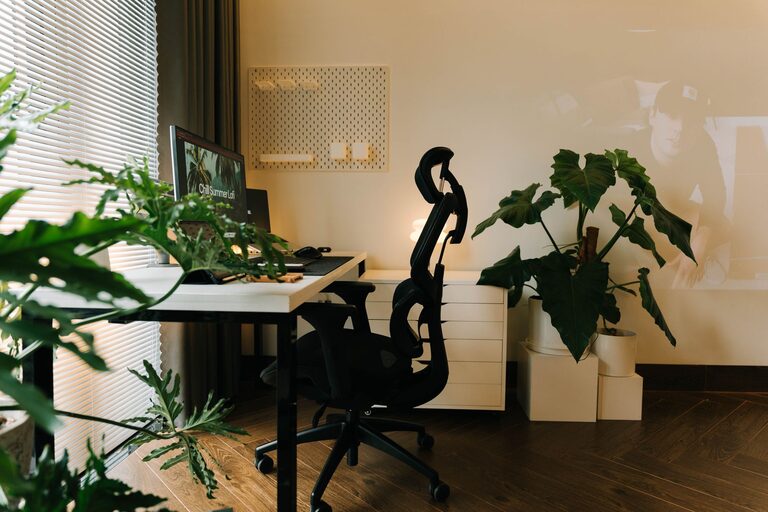
– Ergonomic Chair: Choose a chair that supports your lower back, encourages good posture, and is adjustable for height and tilt.
– Desk Height: Your desk should allow your elbows to rest comfortably at about a 90-degree angle while typing.
– Monitor Position: Place your monitor at eye level to avoid neck discomfort. Consider using a monitor stand if needed.
Organize Your Workspace
A clutter-free environment helps maintain focus and efficiency.
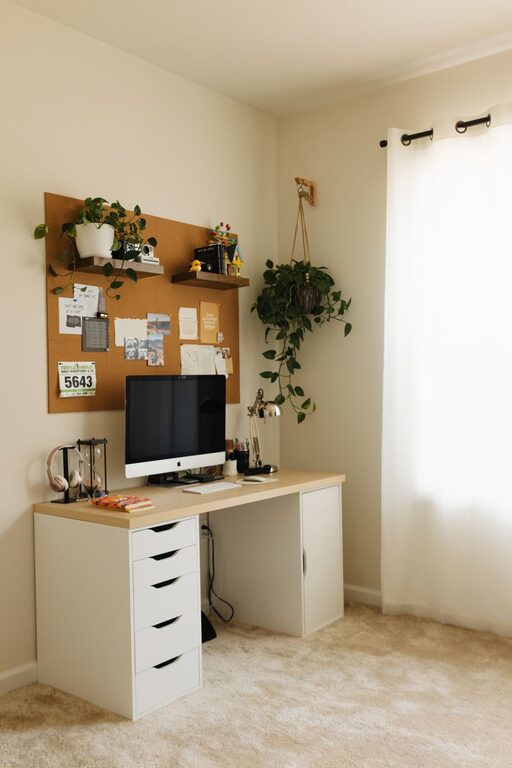
– Storage Solutions: Use shelves, filing cabinets, or drawers to keep supplies organized and easily accessible.
– Cable Management: Tidy up cables with clips or sleeves to reduce visual clutter and prevent accidents.
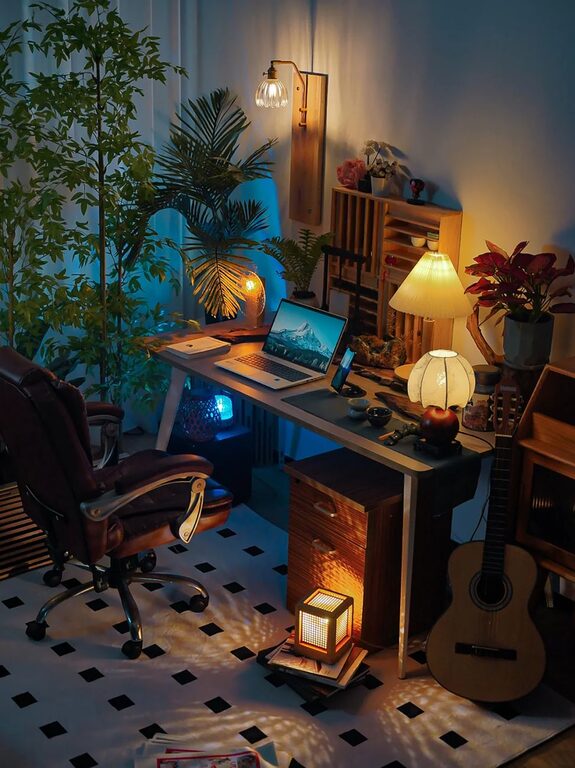
– Minimal Decor: Keep decorations simple to avoid distractions but add personal touches like plants or artwork to make the space inviting.
Optimize Lighting
Proper lighting reduces eye fatigue and helps maintain alertness.
– Layered Lighting: Combine natural light with overhead lighting and task lamps for flexibility.
– Avoid Glare: Position screens to minimize glare from windows or lights.
– Warm Bulbs for Comfort: Use bulbs with warm tones for a cozy atmosphere, especially during evenings.
Maintain Comfortable Temperature and Air Quality
Your home office should be a space where you feel physically comfortable to enhance concentration.
– Temperature Control: Use fans, heaters, or air conditioning to maintain an ideal temperature, usually between 68-72°F (20-22°C).
– Air Circulation: Open windows when possible or use air purifiers to keep fresh air flowing.
– Add Plants: Indoor plants not only improve air quality but can also create a soothing environment.
Establish Clear Boundaries
Separating work from personal life helps reduce stress and improve focus.
– Dedicated Workspace: Use the same area exclusively for work to create a physical and psychological boundary.
– Work Hours: Set specific start and end times for your workday to maintain a routine.
– Communicate Boundaries: Let family or roommates know your work schedule to minimize interruptions.
Use Technology Wisely
Leverage tools and devices that enhance productivity.
– Reliable Internet: Ensure you have a strong internet connection to avoid disruptions.
– Organizational Apps: Utilize calendars, to-do lists, and project management apps to stay organized.
– Noise-Canceling Headphones: These can help block out distractions and improve concentration.
Take Regular Breaks
Short breaks during the day can refresh your mind and reduce fatigue.
– Follow the 20-20-20 Rule: Every 20 minutes, look at something 20 feet away for at least 20 seconds to reduce eye strain.
– Stretch or Move: Stand up, stretch, or take a quick walk to boost circulation.
– Stay Hydrated and Snack Smart: Keep water and healthy snacks nearby to maintain energy.
Personalize Your Space
Adding personal touches can make your home office a place you enjoy spending time.
– Inspirational Decor: Include motivational quotes or artwork that encourages creativity.
– Comfort Items: A cozy blanket or a cushion can add comfort.
– Colors: Use colors you find calming or energizing to set the right mood.
Final Thoughts
Designing a home office that balances comfort with productivity requires thoughtful planning and some experimentation. By choosing the right location, investing in ergonomic furniture, organizing your space, and incorporating healthy habits and technology, you can create an environment that supports your best work. Remember, your workspace should adapt to your needs, so feel free to adjust elements over time for optimal results.
About the Author